Who We Are

About Gurnanak Agribusiness

Building India's biomass-to-energy infrastructure - from Chhattisgarh's rice fields to factory floors across the nation.

From Burning Fields to Clean Fuel

Gurnanak Agribusiness Pvt. Ltd. was founded with a singular vision: to transform India's massive agricultural waste crisis into a clean energy opportunity. Chhattisgarh - the Rice Bowl of India - along with states like Madhya Pradesh, Odisha, and Jharkhand, generates enormous volumes of crop residue every year, much of which is burned in the open - darkening skies, poisoning lungs, and destroying soil health.

We saw what others overlooked: this "waste" is a goldmine of untapped energy. By building a vertically integrated supply chain - from farm-gate collection to industrial-grade biomass processing - we create value for farmers, industries, and the environment simultaneously.

Our decentralised collection model ensures farmers receive fair compensation for their crop residue, while our advanced processing technology produces consistent, high-quality clean biomass fuel - aligned with national programs like SATAT and GOBARdhan that promote structured biomass utilisation.
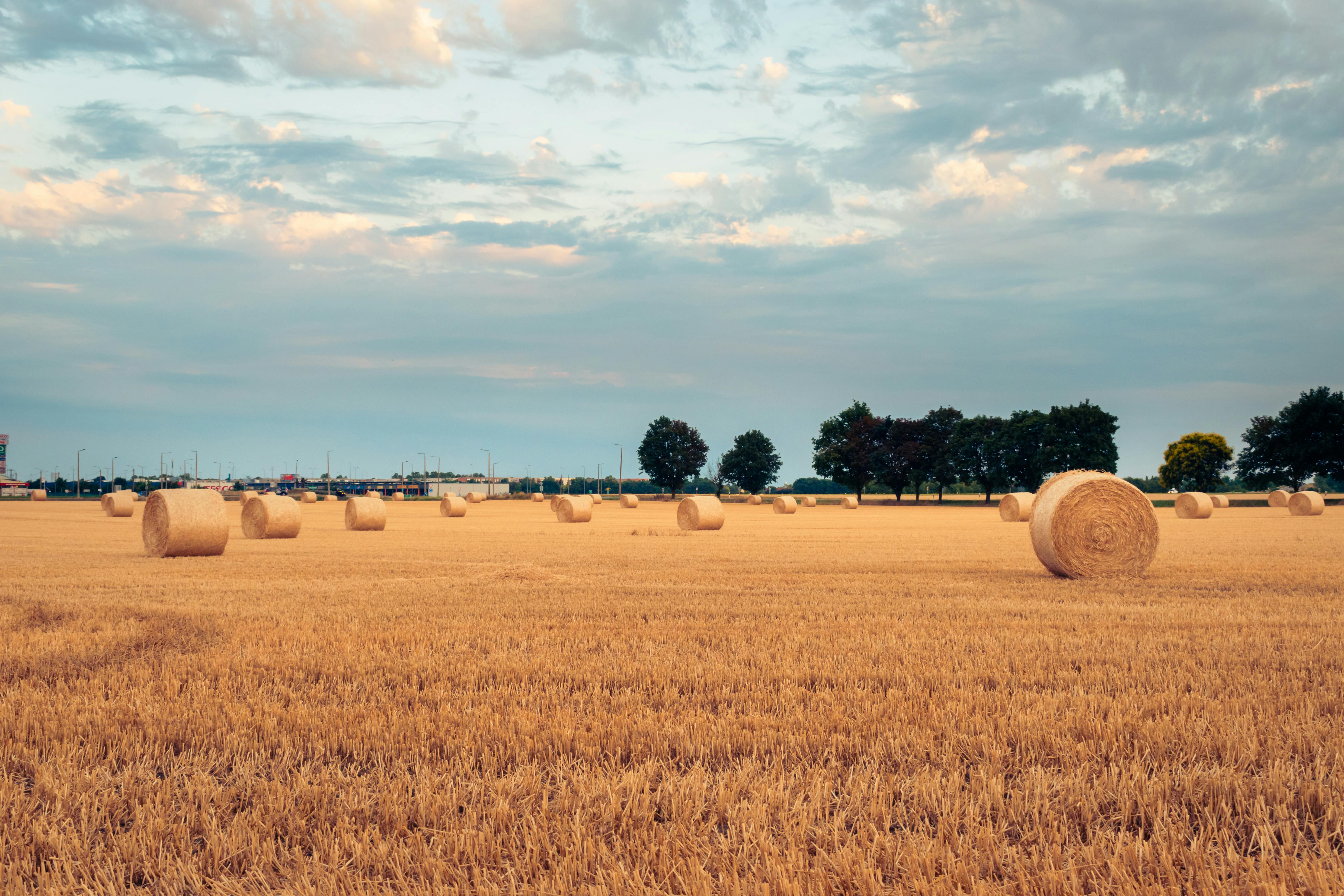
Green agricultural fields stretching to the horizon

What Sets Us Apart

A unique combination of agricultural expertise, technological innovation, and ground-level farmer relationships that no competitor can replicate overnight.

Farm-Gate Network

Direct relationships with a growing network of farming families across multiple states - ensuring consistent raw material supply and eliminating middlemen. We pay farmers promptly after collection, building trust and loyalty.

Decentralised Processing

Our micro-hub model places processing units close to collection zones, significantly reducing transport costs and enabling faster turnaround. Each hub is designed for substantial daily biomass throughput.

Technology Platform

Advanced compression and processing technology produces high-quality biomass fuel exceeding industry standards. Real-time quality monitoring ensures batch-to-batch consistency for industrial buyers.

Carbon Credit Revenue

Every tonne of stubble diverted from burning generates verified carbon credits under Verra and Gold Standard frameworks - creating a valuable additional revenue stream that funds sustainable operations.

B2B Supply Contracts

Long-term offtake agreements with cement plants, textile mills, and power producers ensure stable demand. Our focus on reliability and consistent quality builds lasting buyer relationships.

Policy Alignment

Our model directly supports India's National Bioenergy Programme, National Clean Air Programme, SATAT, GOBARdhan, and COP26 commitments - making us eligible for government subsidies and priority procurement.

Our Roadmap

A phased approach to building India's largest decentralised biomass-to-energy network - from proof-of-concept to pan-India scale.

Phase 1 - Foundation

Pilot Operations & Validation

Establish 3 pilot micro-hubs in Chhattisgarh and neighbouring states. Validate collection logistics, processing efficiency, and unit economics with farmer partnerships. Build strong foundation for sustainable scale-up.

Phase 2 - Expansion

Regional Scale-Up

Expand to 15 micro-hubs across Chhattisgarh, Madhya Pradesh, Odisha, and Jharkhand. Secure B2B contracts with industrial buyers. Scale processing capacity significantly. Initiate carbon credit certification (Verra VCS).

Phase 3 - Dominance

Pan-India Network

Establish 50+ hubs across 8 agricultural states. Scale to significant annual processing capacity. Launch integrated digital platform for farmer onboarding, quality tracking, and supply chain management. Enter export markets for biomass fuel supply.

Phase 4 - Leadership

Market Leadership & Diversification

Scale capacity significantly and diversify into advanced biomass products. Establish Gurnanak as India's leading biomass energy brand. Pursue international carbon market integration and long-term sustainable growth.

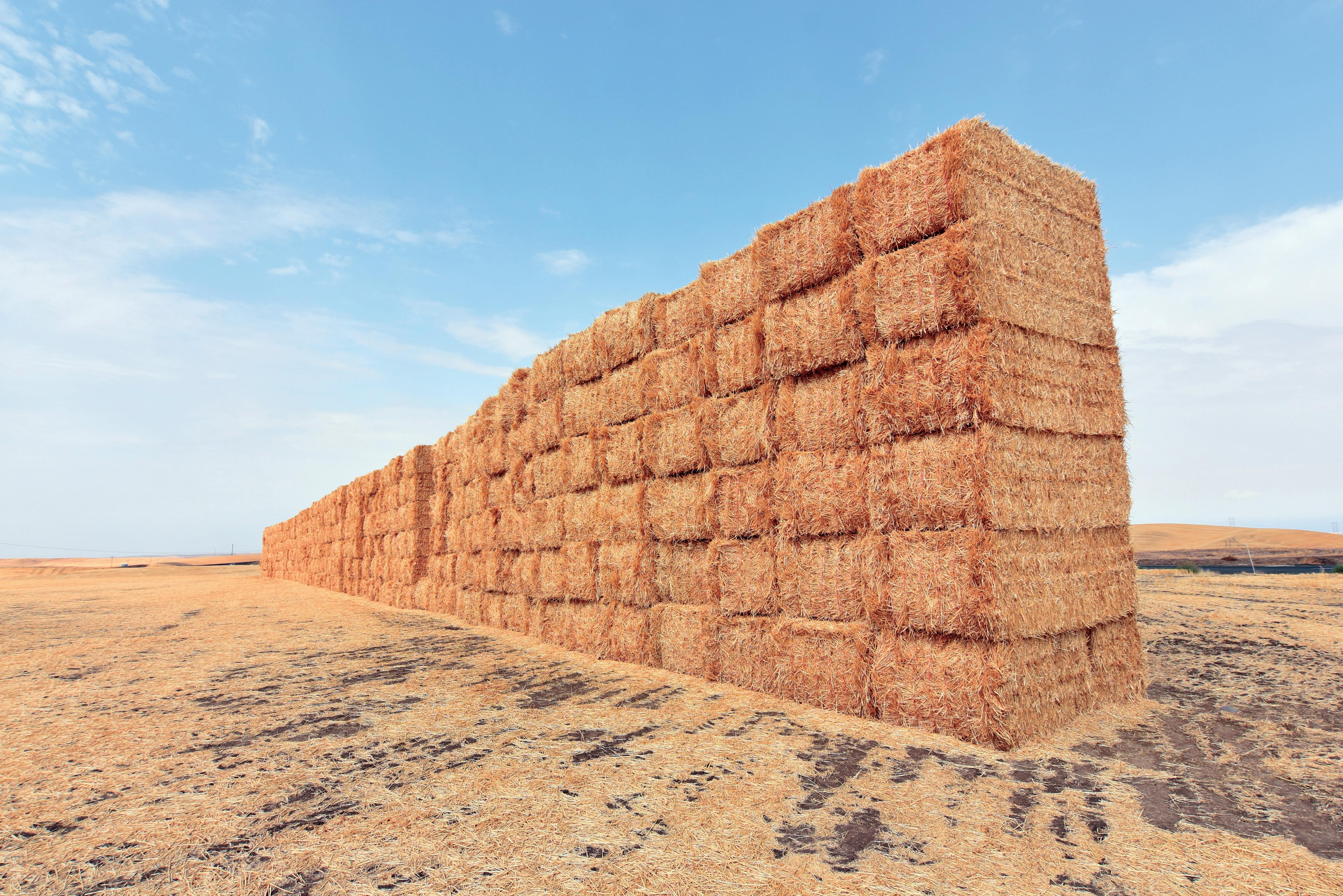
Biomass collection and logistics operations

Our Projected Impact

0
Agricultural States Targeted
0
Farmer Families in Target Network
0
Processing Hubs Planned