The Opportunity

India's Biomass Goldmine

Chhattisgarh - the Rice Bowl of India - and central India's agricultural heartland hold vast untapped biomass potential.

The Rice Bowl of India

Chhattisgarh is one of India's largest rice-producing states, with paddy cultivation spanning a significant portion of its total agricultural land. This massive rice production generates enormous volumes of crop residue every harvest season - residue that currently has no structured utilization channel.

The state's unique position as a leading rice producer, combined with its growing industrial base and supportive policy environment, makes it the ideal launchpad for a large-scale biomass energy operation. Chhattisgarh represents the single biggest untapped opportunity in India's biomass landscape.

With strong government backing for clean energy initiatives and a farmer community eager for additional income sources, Chhattisgarh offers the perfect ecosystem for Gurnanak's farm-to-fuel model.
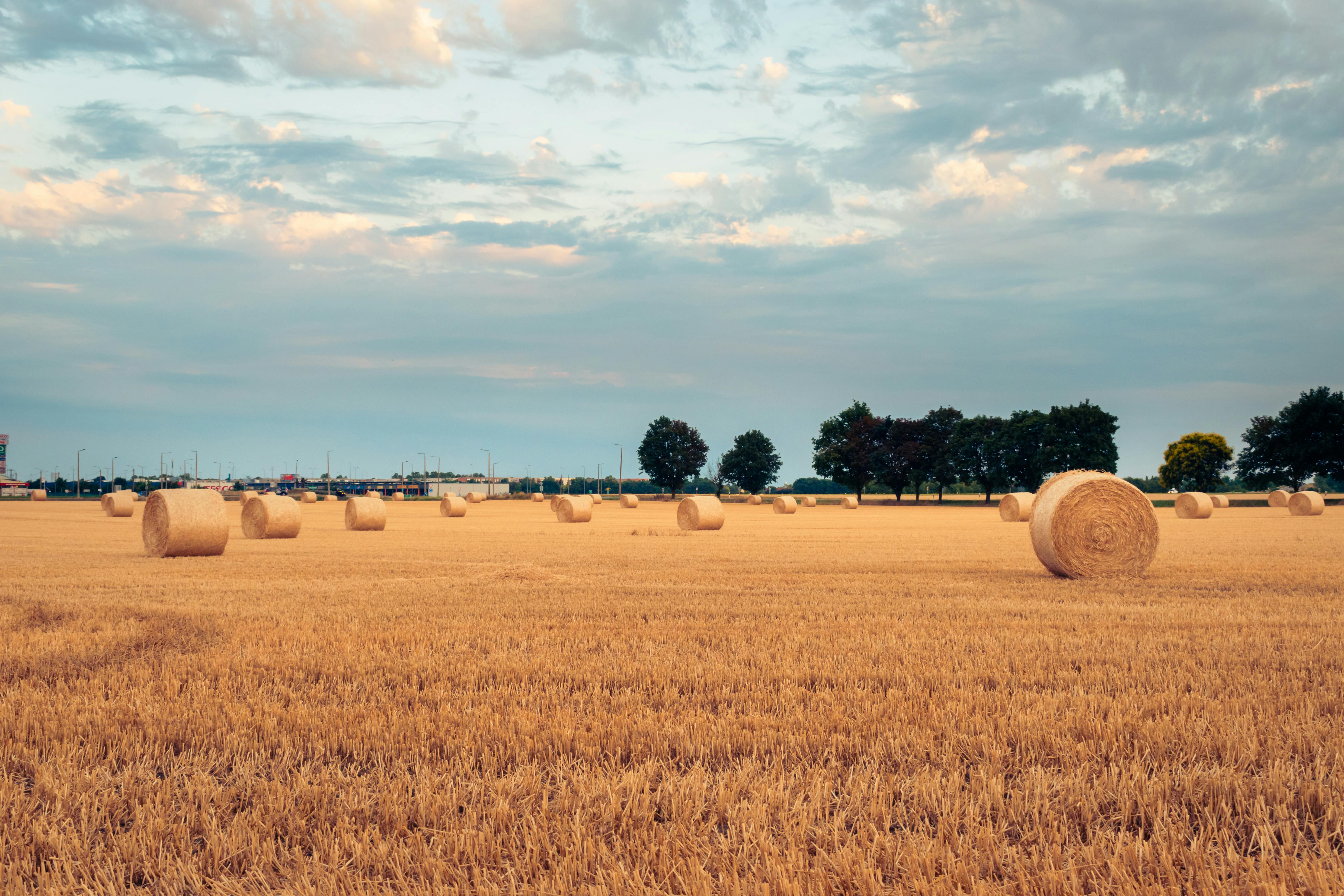
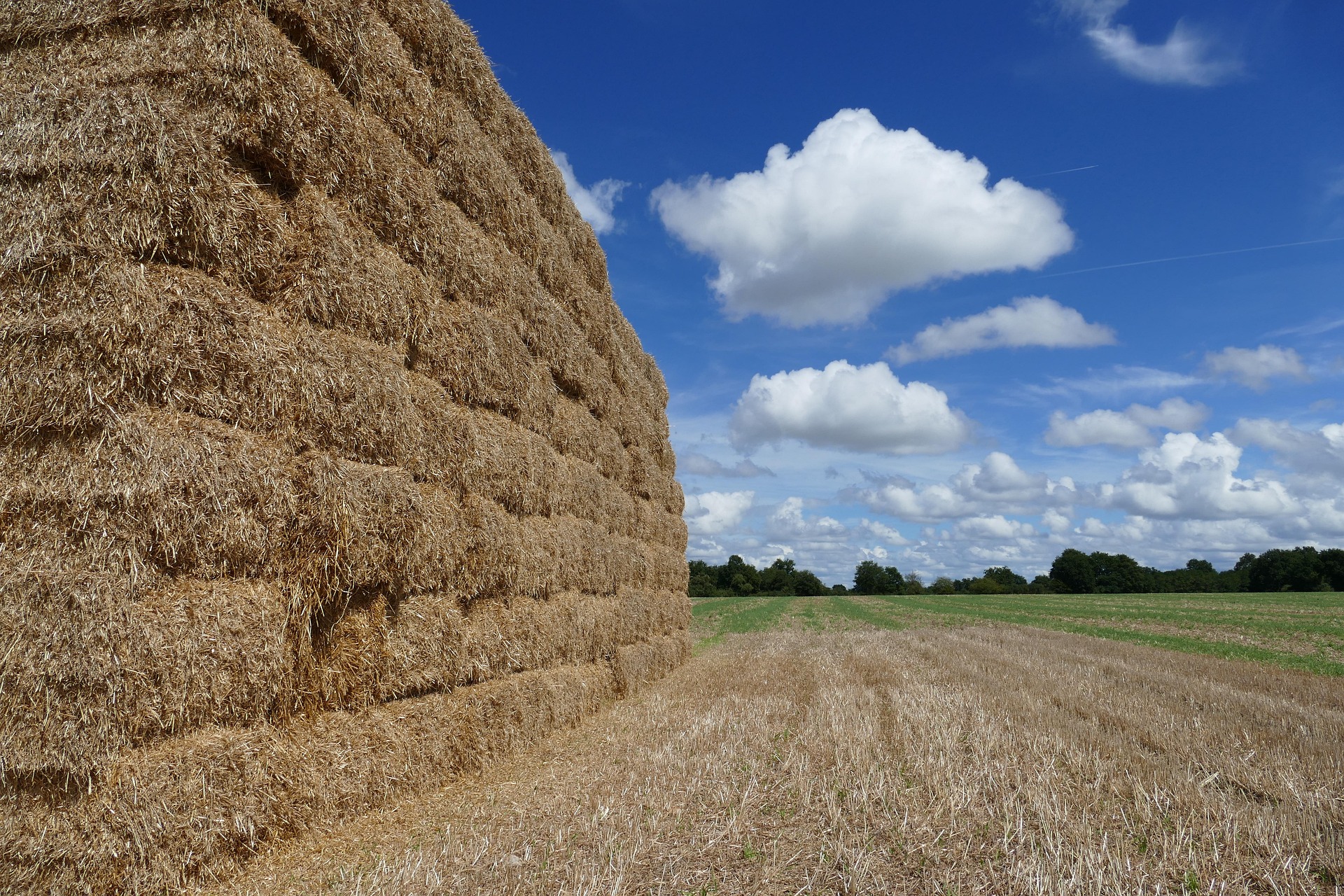
Lush green rice fields in Chhattisgarh

Central India's Agricultural Corridor

Beyond Chhattisgarh, a cluster of neighbouring agricultural states creates a massive biomass catchment area - enabling scale and logistics efficiency.

Primary Focus

Chhattisgarh

The Rice Bowl of India. One of the top rice-producing states with vast paddy straw residue, a growing industrial base, and strong policy support for clean energy. Our primary operational hub.

  • Leading rice producer in central India
  • Massive untapped crop residue volumes
  • Supportive state clean energy policies
  • Strategic geographic location

Madhya Pradesh

India's agricultural heartland, generating significant crop residue from wheat, soybean, and rice cultivation. Adjacent to Chhattisgarh, offering natural expansion logistics.

Odisha

A major rice-growing state on Chhattisgarh's eastern border. Substantial paddy straw generation and a large farming community seeking additional income channels.

Jharkhand

Rich agricultural output with significant biomass potential from rice and other crops. Growing industrial demand for clean fuel alternatives creates a ready market.

Maharashtra

India's second-largest state by population with diverse crop residue - from sugarcane bagasse to cotton stalks. Major industrial demand centre for biomass fuel.

Telangana

Rapidly growing rice production belt in southern India. An emerging opportunity zone with strong government focus on renewable energy and sustainable agriculture.

Why Now

A convergence of regulation, demand, and policy support is creating an unprecedented window of opportunity for biomass energy in India.

01

Regulatory Mandates

The National Green Tribunal and state governments are imposing strict penalties on stubble burning, pushing farmers to seek alternative residue management solutions. Demand for structured biomass utilisation is at an all-time high.

02

Industrial Decarbonisation

Cement plants, textile mills, and power producers are actively seeking renewable fuel alternatives to meet ESG targets and regulatory compliance. Biomass fuel demand is growing rapidly across sectors.

03

SATAT & GOBARdhan

The Government of India's SATAT initiative (Sustainable Alternative Towards Affordable Transportation) and GOBARdhan scheme actively promote structured biomass and bio-waste utilisation - creating a strong policy tailwind for our operations.

04

Carbon Credit Markets

Global carbon markets are expanding rapidly. Each tonne of crop residue diverted from burning generates verified, tradable carbon credits - creating an additional value stream that enhances project economics.

05

National Clean Air Programme

India's NCAP targets significant reduction in particulate matter pollution. Eliminating stubble burning through structured biomass collection directly contributes to these national air quality goals.

06

Farmer Welfare Priority

Government programmes increasingly focus on farmer income diversification. Biomass procurement provides a structured, transparent additional income channel that aligns with national farmer welfare objectives.

Agricultural landscape with harvested biomass

The Numbers Speak

India's agricultural residue represents one of the world's largest untapped clean energy resources.

0
Tonnes of Crop Residue Generated Annually
0
Tonnes Burned in Open Fields Every Year
0
Major Agricultural States in Target Region
0
Tonnes of CO₂ Emissions From Stubble Burning

First-Mover Advantage in Central India

While northern India's biomass sector is becoming crowded, central India - led by Chhattisgarh - remains largely untapped. We're building the infrastructure before the competition arrives.

Strategic Location

Chhattisgarh sits at the crossroads of India's central agricultural corridor, offering access to Madhya Pradesh, Odisha, Jharkhand, Maharashtra, and Telangana - a massive multi-state catchment area.

Ground-Level Relationships

Our team's deep roots in Chhattisgarh's farming communities give us an irreplaceable advantage in farmer onboarding, trust-building, and establishing reliable collection networks.

Policy Alignment

Our model directly supports SATAT, GOBARdhan, the National Bioenergy Programme, and NCAP - making us eligible for government support and priority procurement frameworks.

Timing

Regulatory pressure on stubble burning, industrial ESG mandates, and growing carbon credit demand are converging to create the perfect market entry window - and we're ready.

Be Part of This Opportunity

India's biomass energy transition is accelerating. Whether you're an investor, industry partner, or sustainability advocate - the time to act is now.